NexusCore Blockchain Intelligence Blog
In-depth guides on crypto scam investigations, blockchain forensics, sanctions compliance, and fund recovery — actionable intelligence for law enforcement, legal teams, and financial institutions worldwide.

 Crypto Scam Investigations
Pig Butchering Scams: Tracing Crypto Romance Fraud Across Blockchains
Pig butchering scams have stolen billions from victims worldwide. Learn how these scams work, how funds move across chains, and how investigators trace the money to recovery points.
 Crypto Scam Investigations
Phishing Scams in Crypto: How to Follow the Money Trail
Phishing remains the most common crypto theft vector. Learn how attackers drain wallets through malicious approvals and how investigators trace the stolen funds to exchanges.
 Crypto Scam Investigations
Wallet Drainer Attacks: Investigating Approval-Exploit Theft
Wallet drainers are the modern evolution of crypto phishing. Learn how these automated tools mass-exploit token approvals and how forensic investigators trace the drained funds.
 Crypto Scam Investigations
Fake Investment Platforms: On-Chain Forensics for Recovery
Fake crypto investment platforms promise guaranteed returns and deliver nothing. Learn how these platforms work, how they move victim funds, and how forensic tracing supports recovery.
 Crypto Scam Investigations
Rug Pull Investigations: Tracing Developer Exit Scams
Rug pulls cost investors billions. Learn how developers abandon projects and abscond with liquidity, and how on-chain forensics traces the stolen funds to recovery points.
 Crypto Scam Investigations
Impersonation Scams: When Fraudsters Pose as Crypto Projects
Impersonation scams hijack the credibility of real projects to steal from their communities. Learn how these scams work across social media, websites, and messaging apps, and how to trace the stolen funds.
 Crypto Scam Investigations
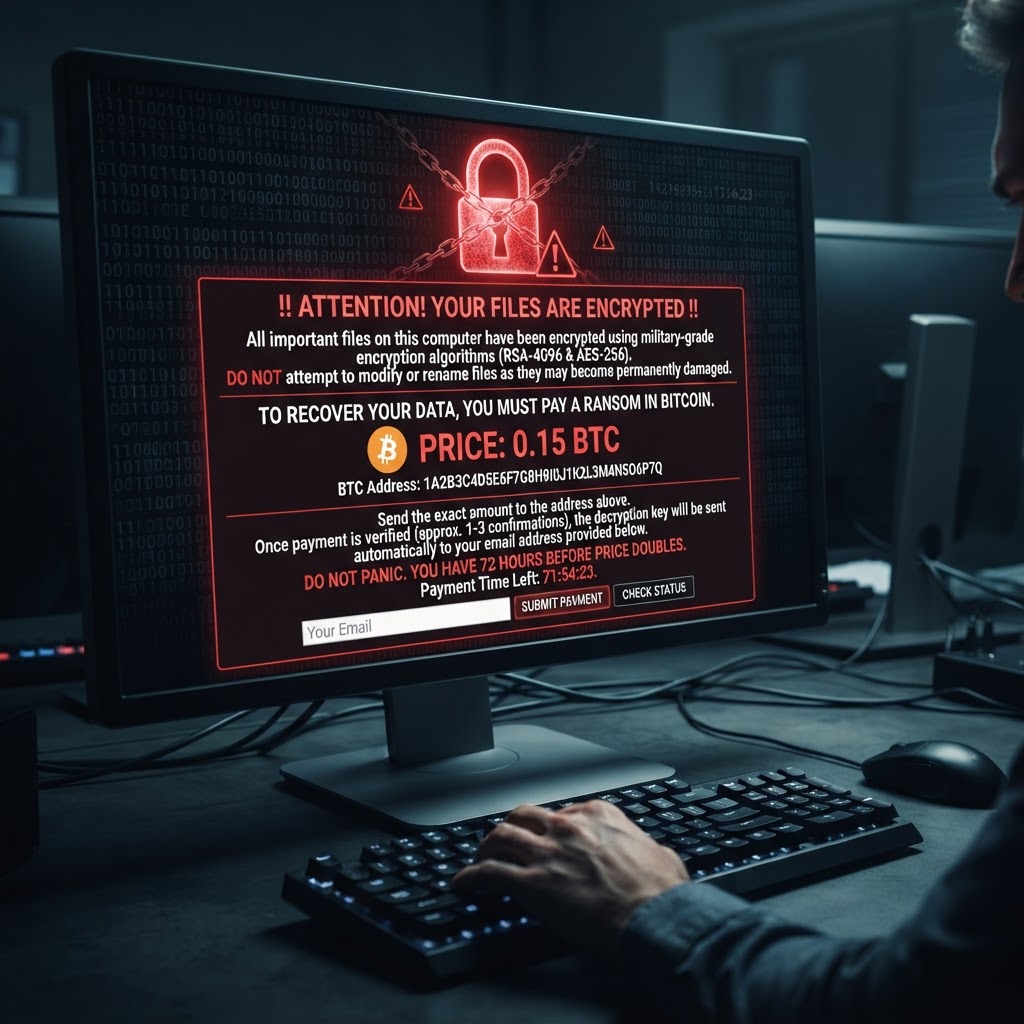
Ransomware Payments: Tracing BTC to Cash-Out Points
Ransomware is a multi-billion dollar criminal industry powered by Bitcoin payments. Learn how ransomware groups move funds and how investigators trace BTC through mixers to cash-out venues.
 Crypto Scam Investigations
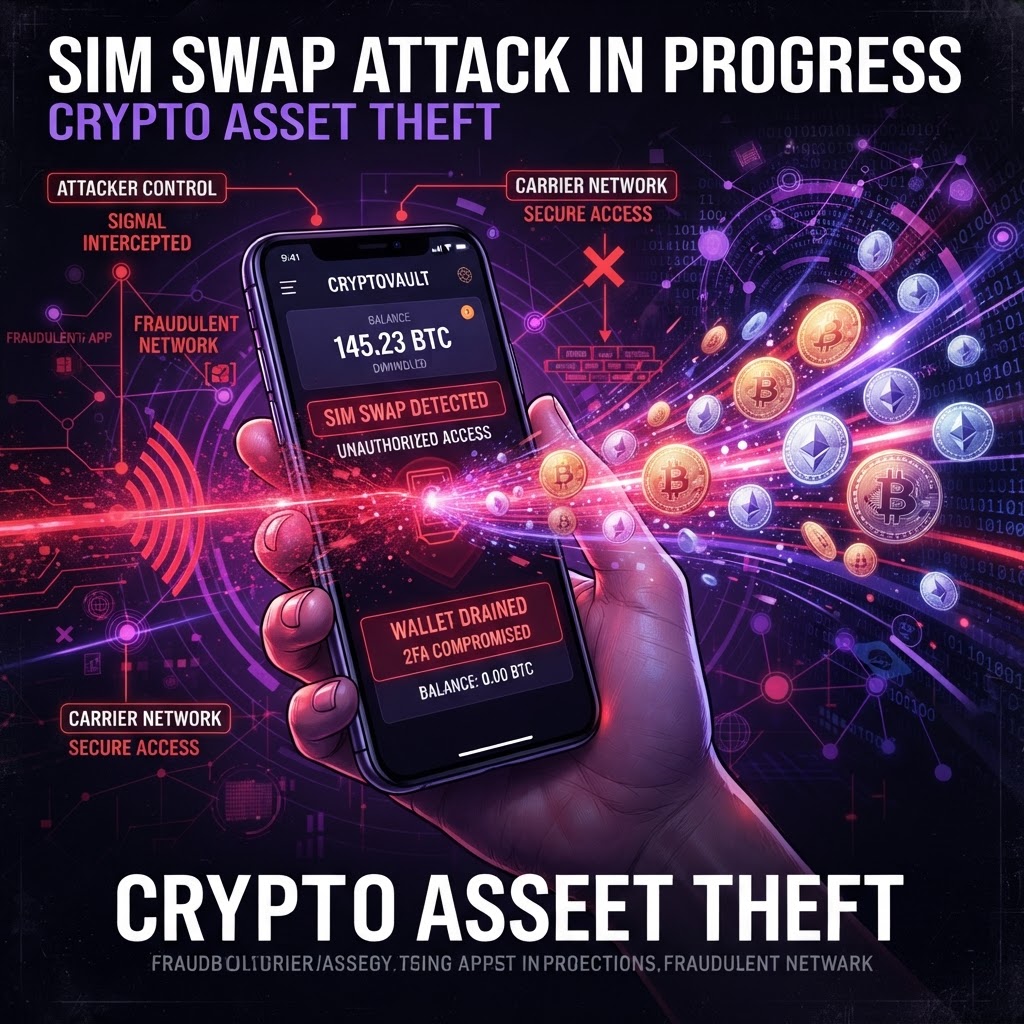
SIM Swap Attacks: Following Stolen Crypto Across Chains
SIM swap attacks let criminals take over your phone and your crypto. Learn how these attacks work, how stolen funds move across blockchains, and how investigators trace them.
 Crypto Scam Investigations
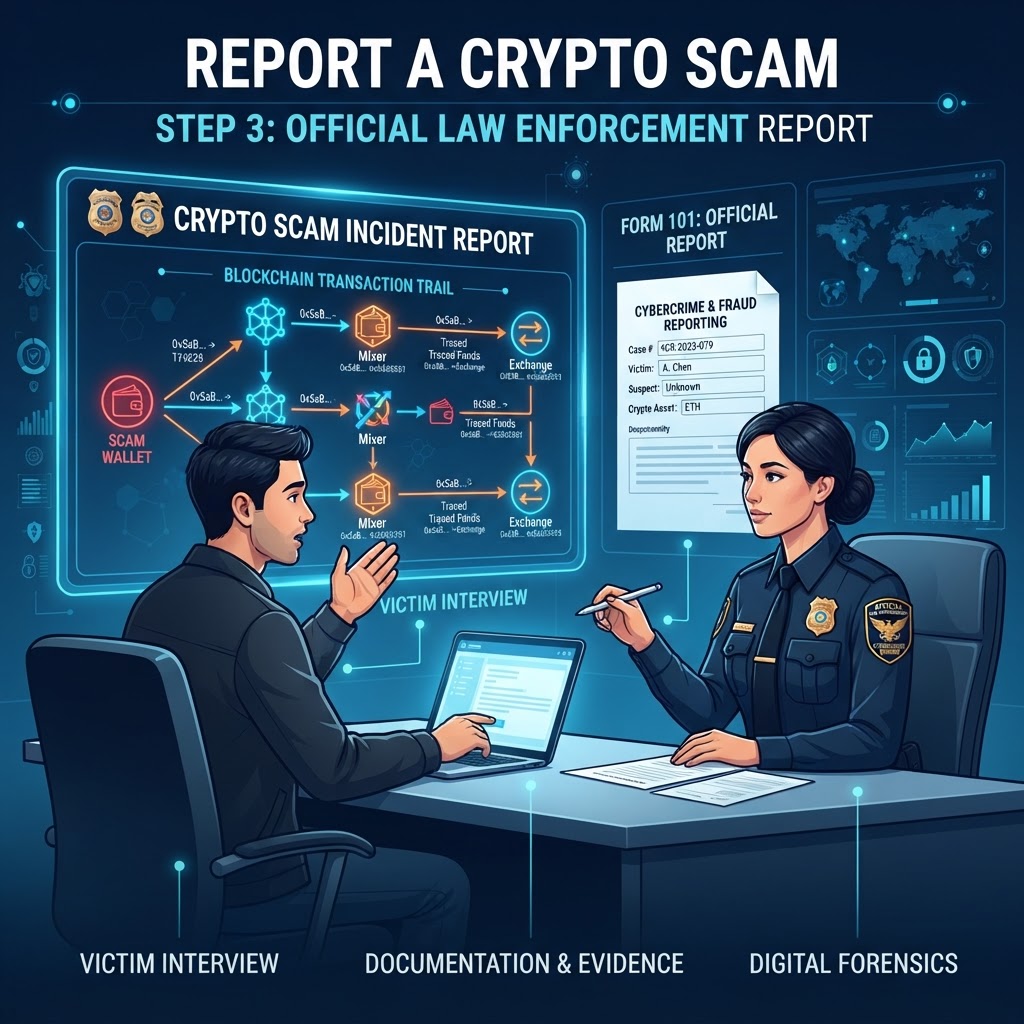
How to Report a Crypto Scam and Recover Your Funds
Reporting a crypto scam is the first step toward recovery. Learn exactly where and how to report in every major jurisdiction, what evidence to gather, and how to maximize your chances of getting your money back.
 Blockchain Tracing & Forensics
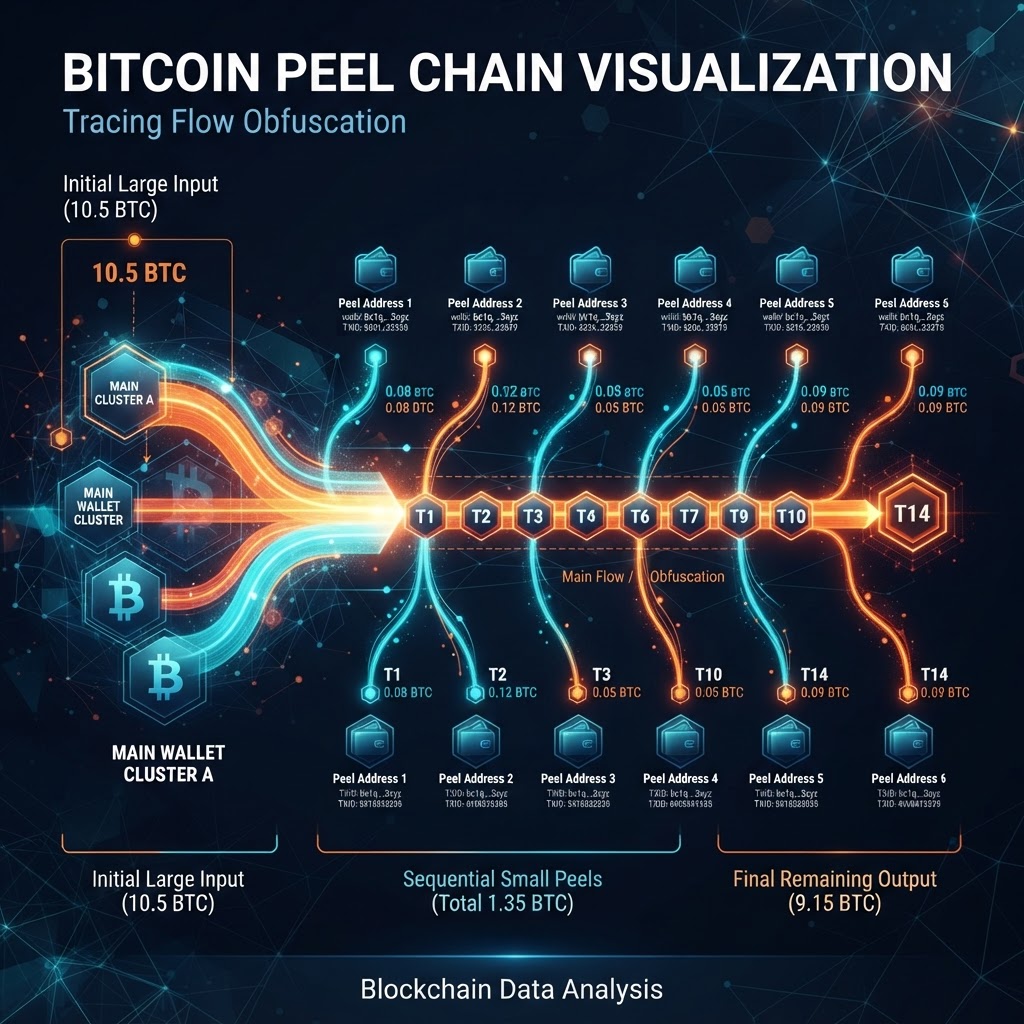
Peel Chains Explained: How Investigators Follow Bitcoin Laundering
Peel chains are the most common Bitcoin laundering technique. Learn how they work, why criminals use them, and the forensic methods investigators use to detect and follow them.
 Blockchain Tracing & Forensics
Mixer Analysis: Tracing Funds Through Tornado Cash and Wasabi
Mixers are designed to break the transaction graph, but they are not untraceable. Learn how Tornado Cash, Wasabi Wallet, and other mixers work, and the forensic techniques used to de-anonymize them.
 Blockchain Tracing & Forensics
Cross-Chain Tracing: Following Crypto Across Bridges and Swaps
Criminals move funds across blockchains to break the trail. Learn how cross-chain bridges work, how to trace funds across them, and the forensic challenges of multi-chain investigations.
 Blockchain Tracing & Forensics
Chain Hopping Forensics: Tracing ETH to BTC and Beyond
Chain hopping — moving funds from one blockchain to another — is a core money laundering technique. Learn the specific routes criminals use and how investigators follow funds across chains.
 Blockchain Tracing & Forensics
How Blockchain Forensics Works: Heuristics Investigators Use
Blockchain forensics is built on heuristics — rules of thumb that help investigators cluster addresses and follow funds. Learn the core heuristics that power every crypto investigation.
 Blockchain Tracing & Forensics
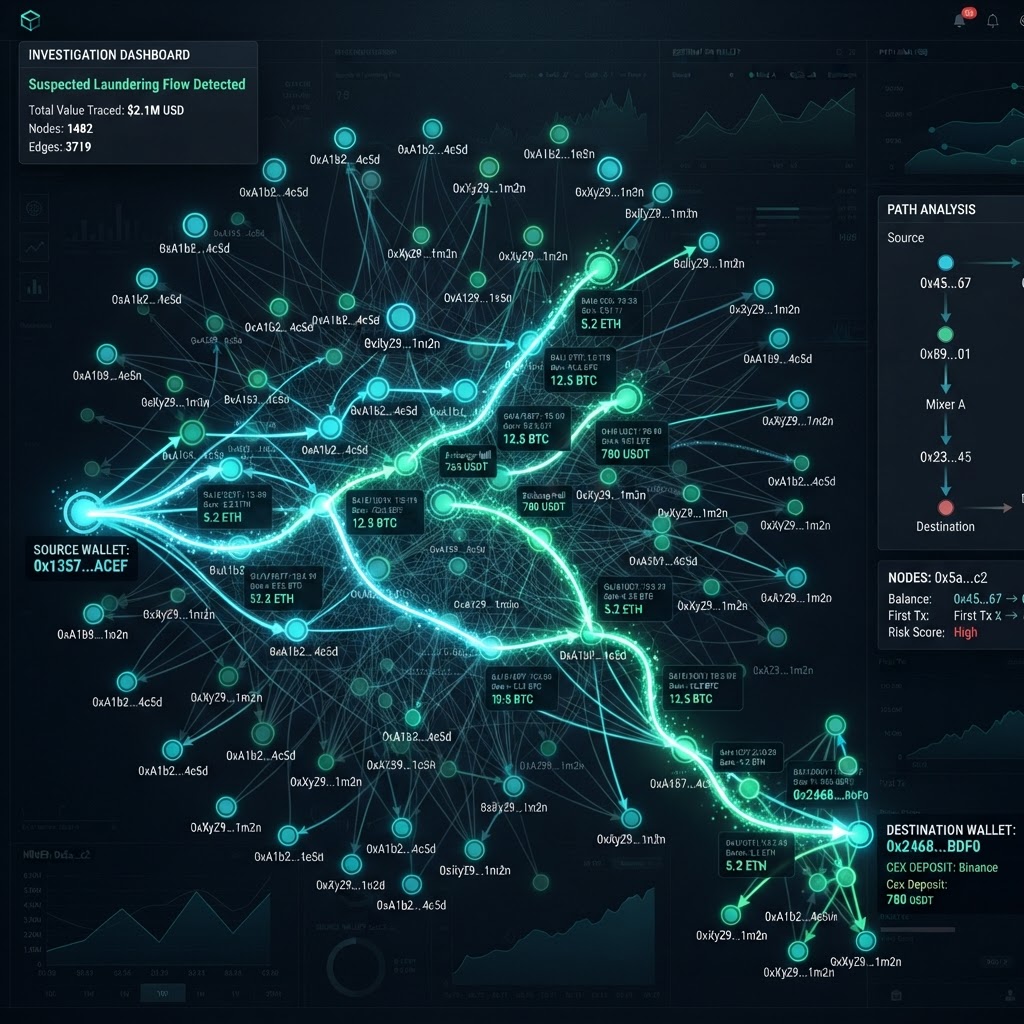
Transaction Graph Analysis: Building the Money Trail
A transaction graph turns raw blockchain data into a visual trail of money. Learn how investigators build and analyze transaction graphs to follow funds from theft to cash-out.
 Blockchain Tracing & Forensics
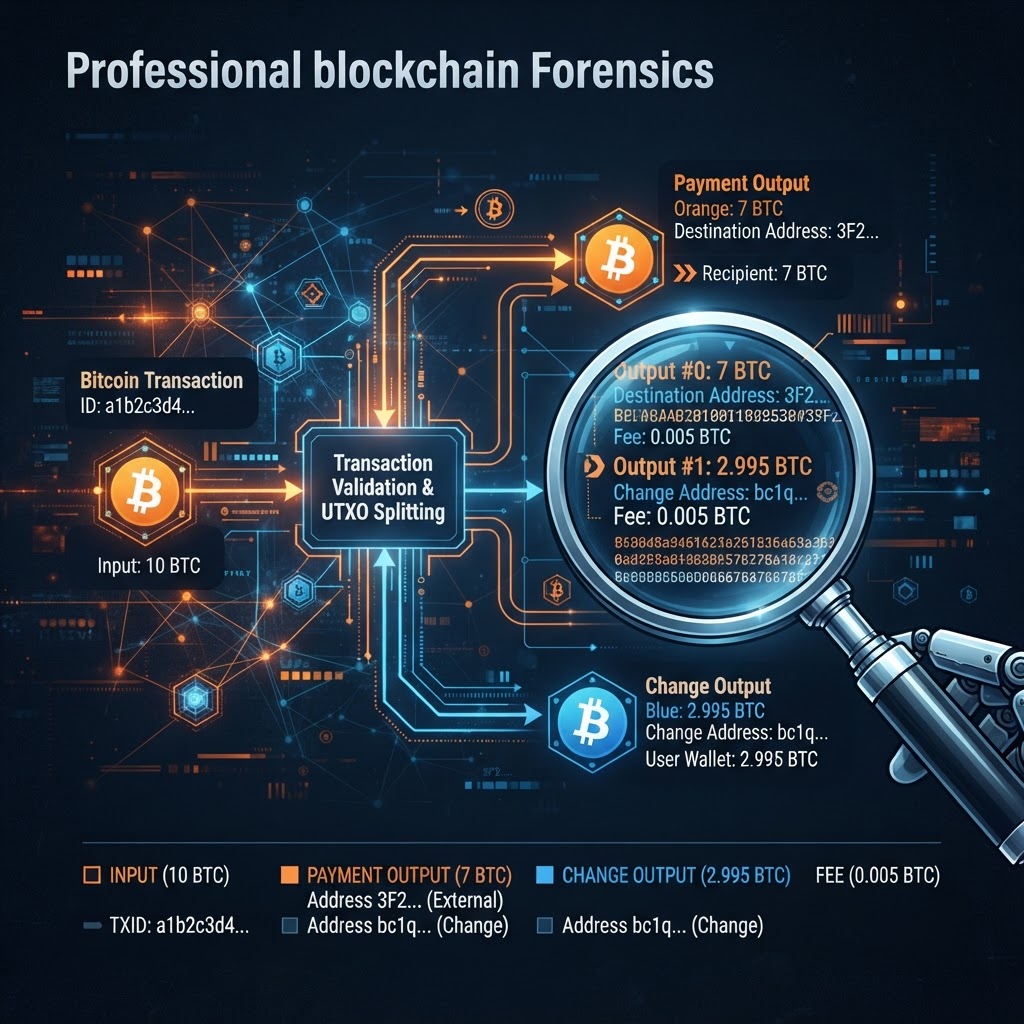
Change Address Detection: A Key Bitcoin Forensic Technique
Identifying change addresses is essential for following the right trail in Bitcoin investigations. Learn the heuristics investigators use and the mistakes criminals make.
 Blockchain Tracing & Forensics
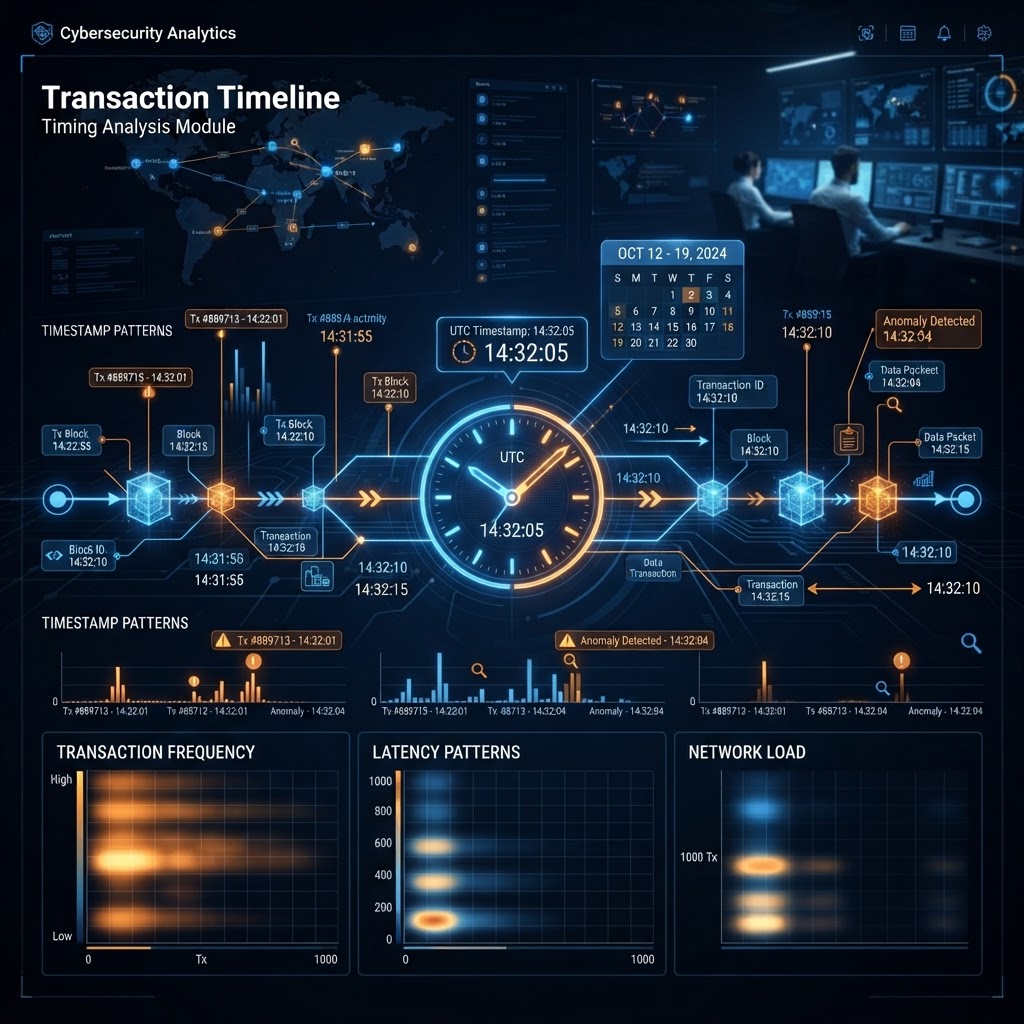
Timing Analysis: Using Timestamps to Attribute Wallets
When and how often transactions occur can reveal who controls a wallet. Learn how investigators use timing analysis to attribute wallets and correlate mixer deposits and withdrawals.
 Blockchain Tracing & Forensics
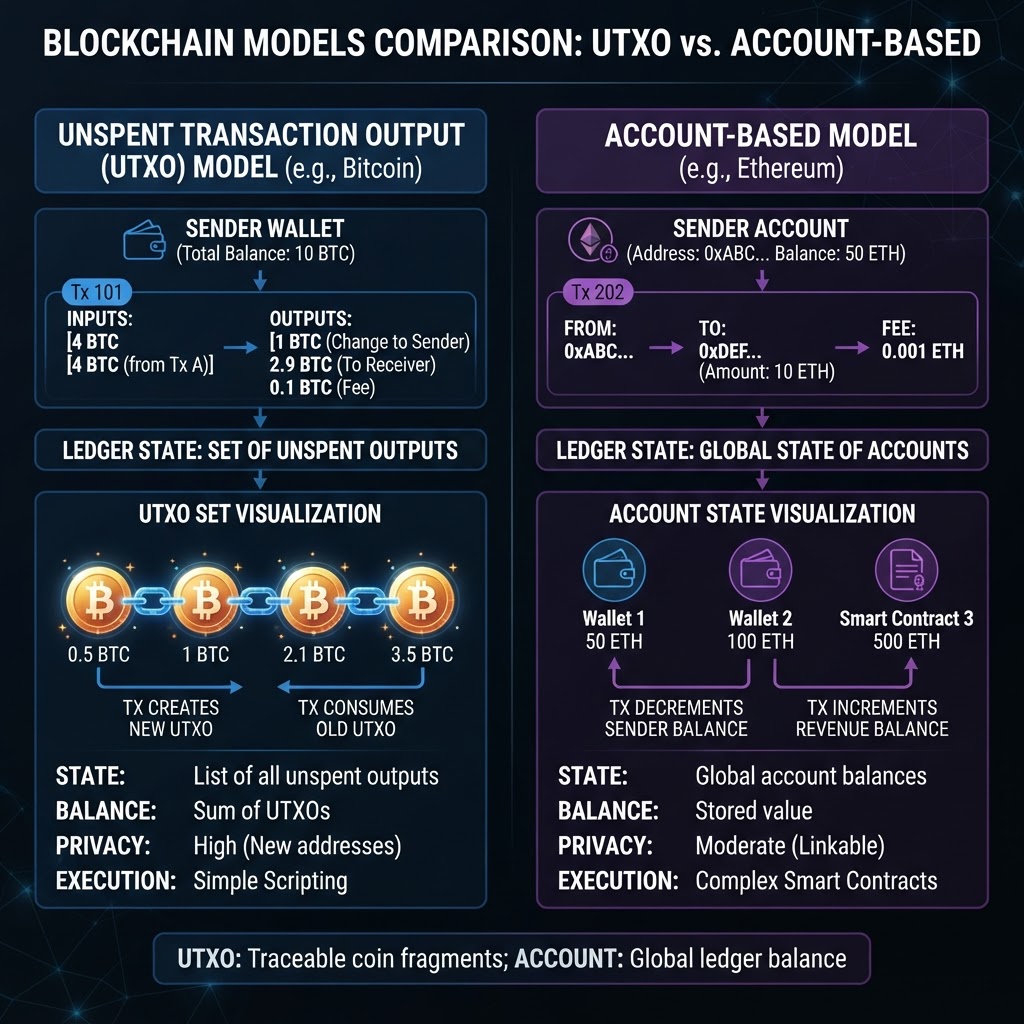
UTXO vs Account Model Tracing: What Investigators Need to Know
Bitcoin and Ethereum use fundamentally different transaction models, and this changes how investigators trace funds. Learn the key differences and the techniques for each model.
 Blockchain Tracing & Forensics
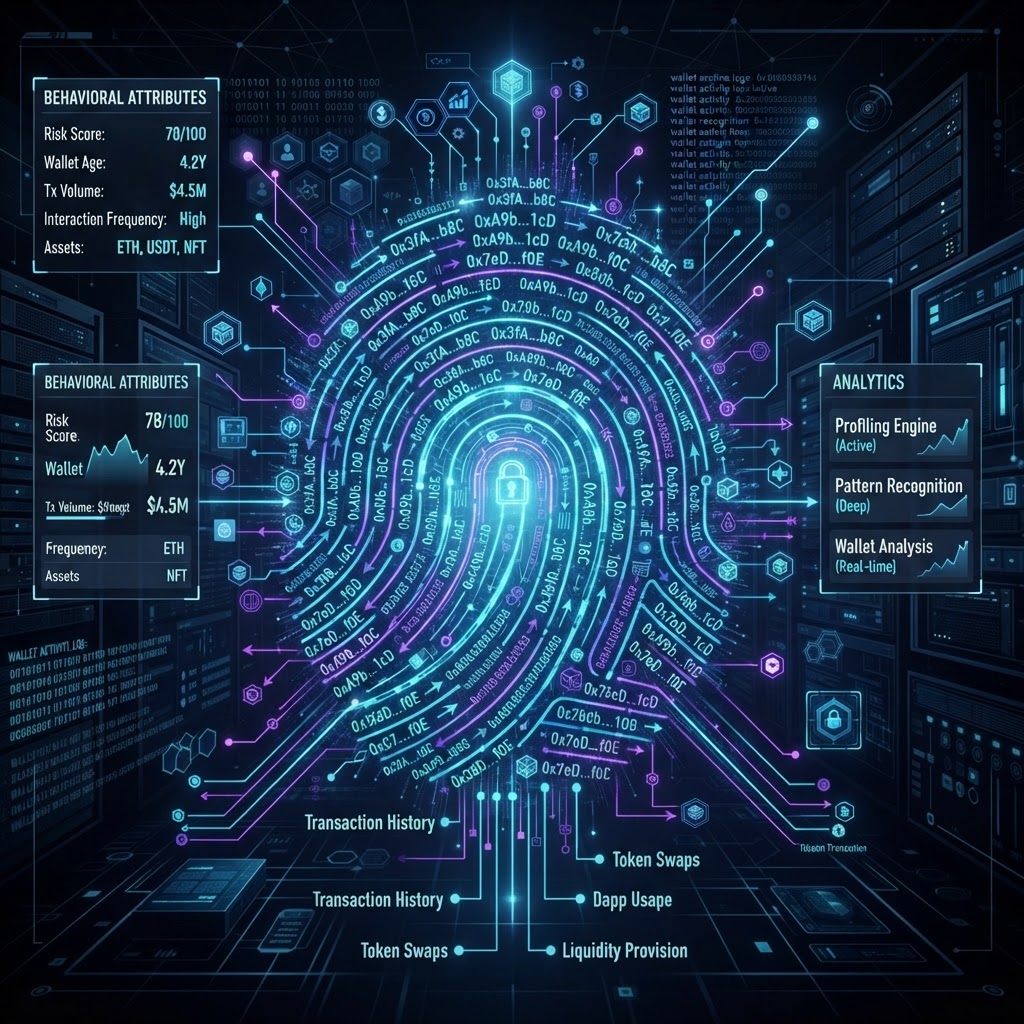
On-Chain Behavioral Profiling: Identifying Actors by Spending Habits
Every wallet has a behavioral fingerprint. Learn how investigators use on-chain behavioral profiling to identify and attribute actors even when they try to stay anonymous.
 Sanctions & Compliance
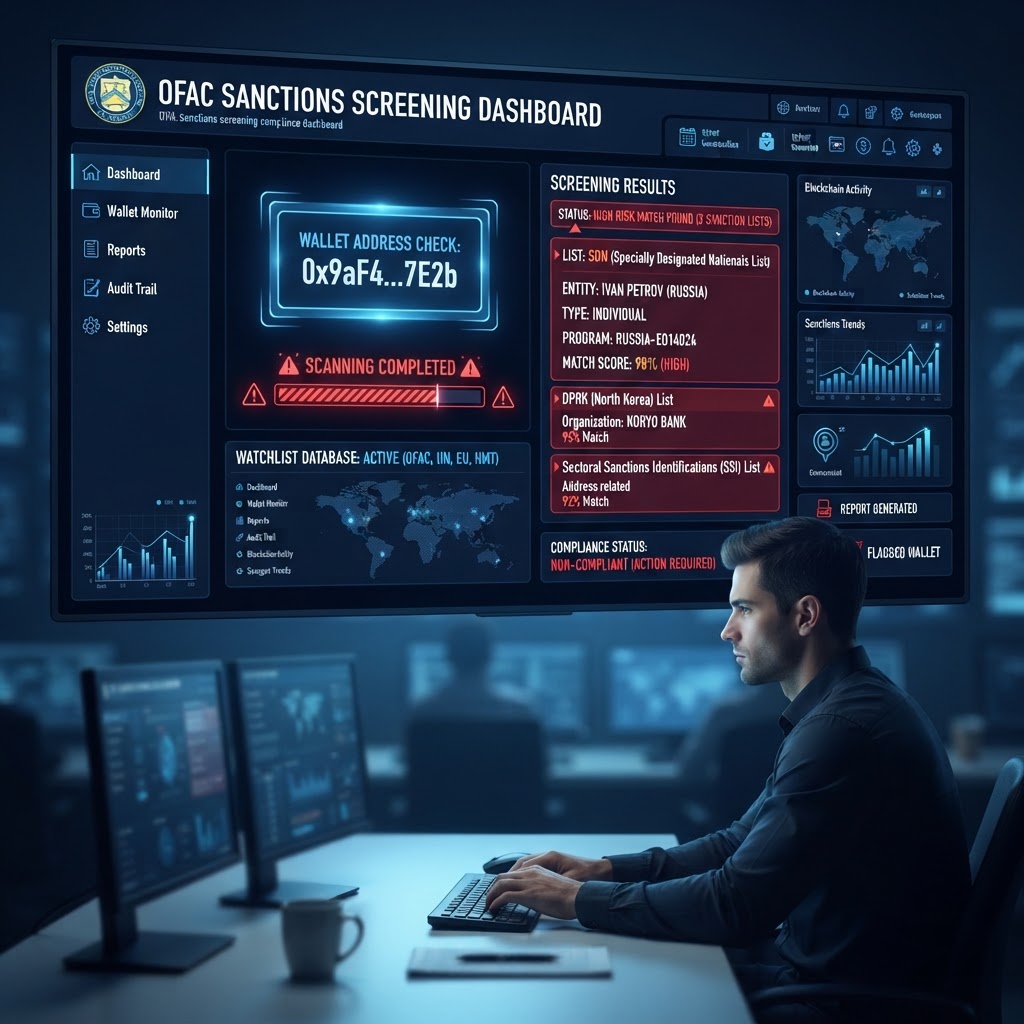
OFAC Sanctions Screening for Crypto: A Compliance Guide
OFAC sanctions screening is mandatory for crypto businesses. Learn how sanctions screening works, what the requirements are, and how to build an effective compliance program.
 Sanctions & Compliance
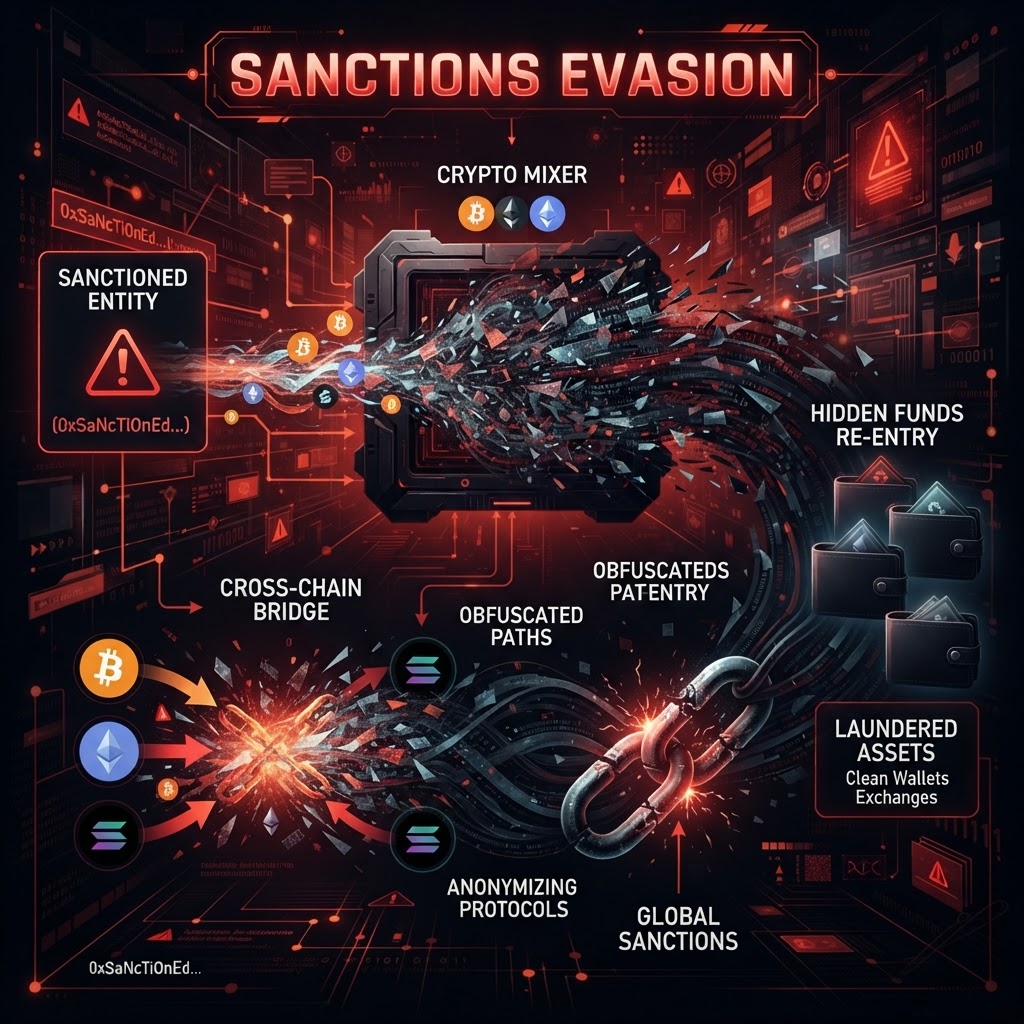
Sanctions Evasion on the Blockchain: How Bad Actors Hide
Sanctioned entities use sophisticated techniques to move crypto despite restrictions. Learn the evasion methods and how investigators and compliance teams detect them.
 Sanctions & Compliance
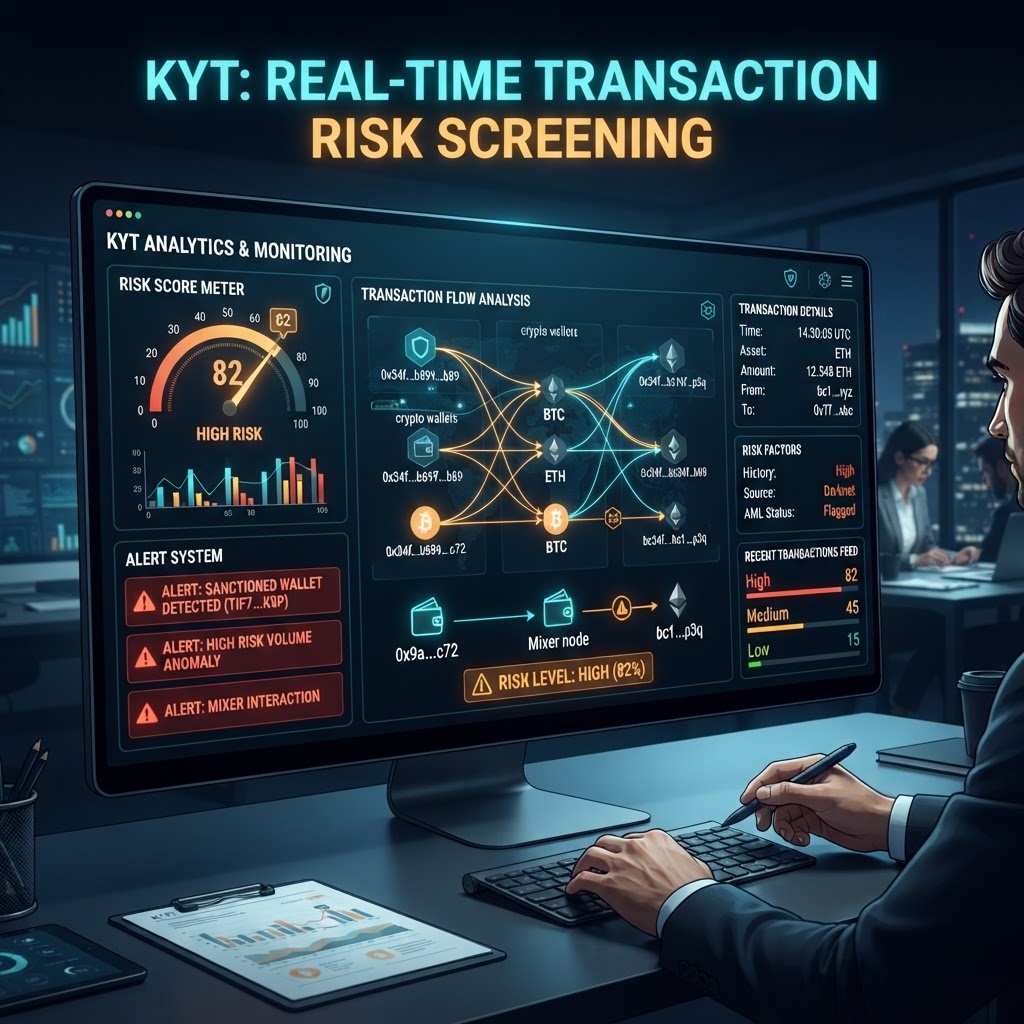
KYT (Know Your Transaction): Real-Time Risk Screening
KYT is the crypto equivalent of AML transaction monitoring. Learn how Know Your Transaction systems work, what they screen for, and how they protect crypto businesses from illicit funds.
 Sanctions & Compliance
EU Crypto Regulations: MiCA and the Travel Rule Explained
The EU's MiCA regulation and Travel Rule are reshaping crypto compliance in Europe. Learn what these regulations require, who they apply to, and how to comply.
 Sanctions & Compliance
Sanctions Risk Scoring: How Exchanges Screen Counterparties
Every time you send crypto to an exchange, your transaction is risk-scored. Learn how exchanges calculate sanctions and counterparty risk scores and what happens when you trigger an alert.
 Recovery & Legal
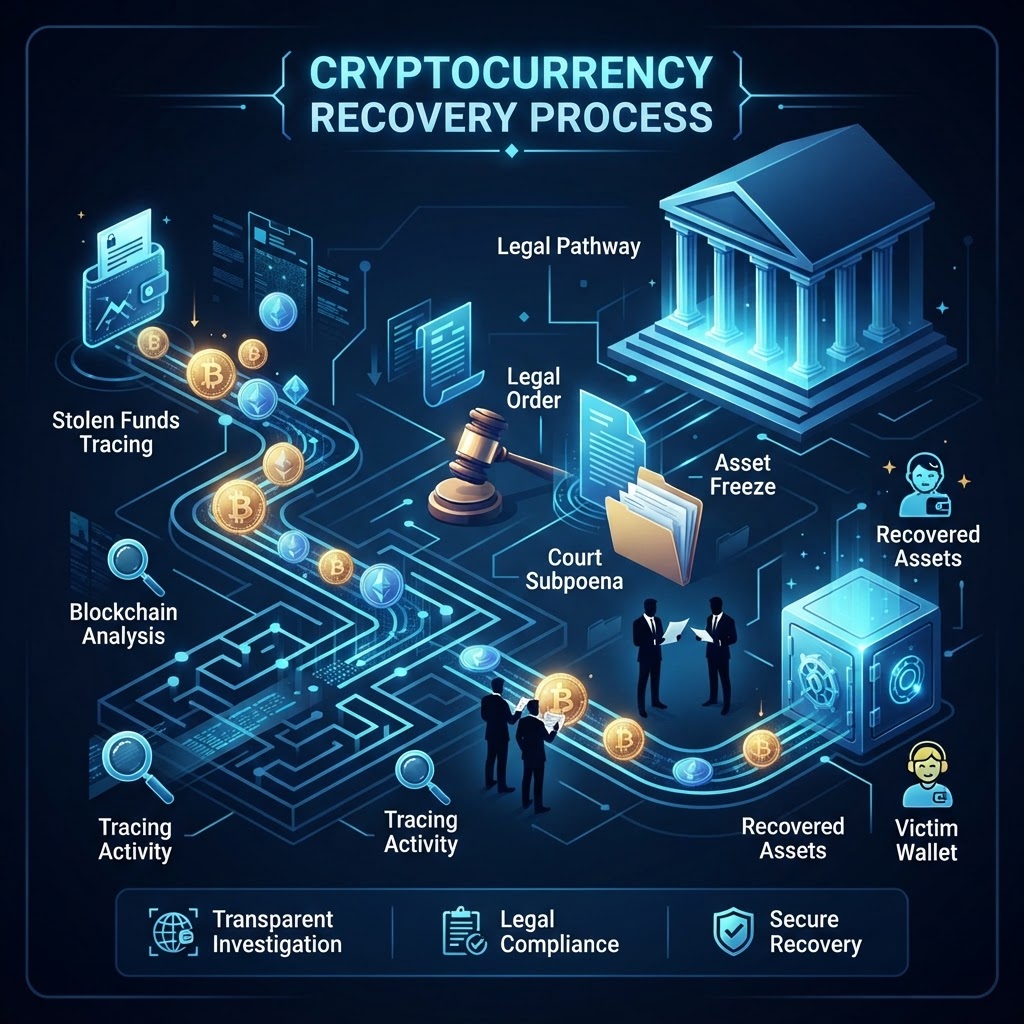
How to Recover Stolen Crypto: Legal Pathways and On-Chain Evidence
Recovery is possible. Learn the legal pathways for recovering stolen cryptocurrency — criminal prosecution, civil litigation, and exchange cooperation — and the on-chain evidence you need.
 Recovery & Legal
Chain of Custody for Blockchain Evidence: Court-Admissible Forensics
Blockchain evidence must be collected and preserved properly to be admissible in court. Learn the chain of custody requirements and best practices for court-admissible crypto forensics.
 Recovery & Legal
Working with Law Enforcement on Crypto Crime Cases
Law enforcement needs your help to investigate crypto crime. Learn how to work effectively with police, FBI, and other agencies on cryptocurrency cases — what they need and what to expect.
 Recovery & Legal
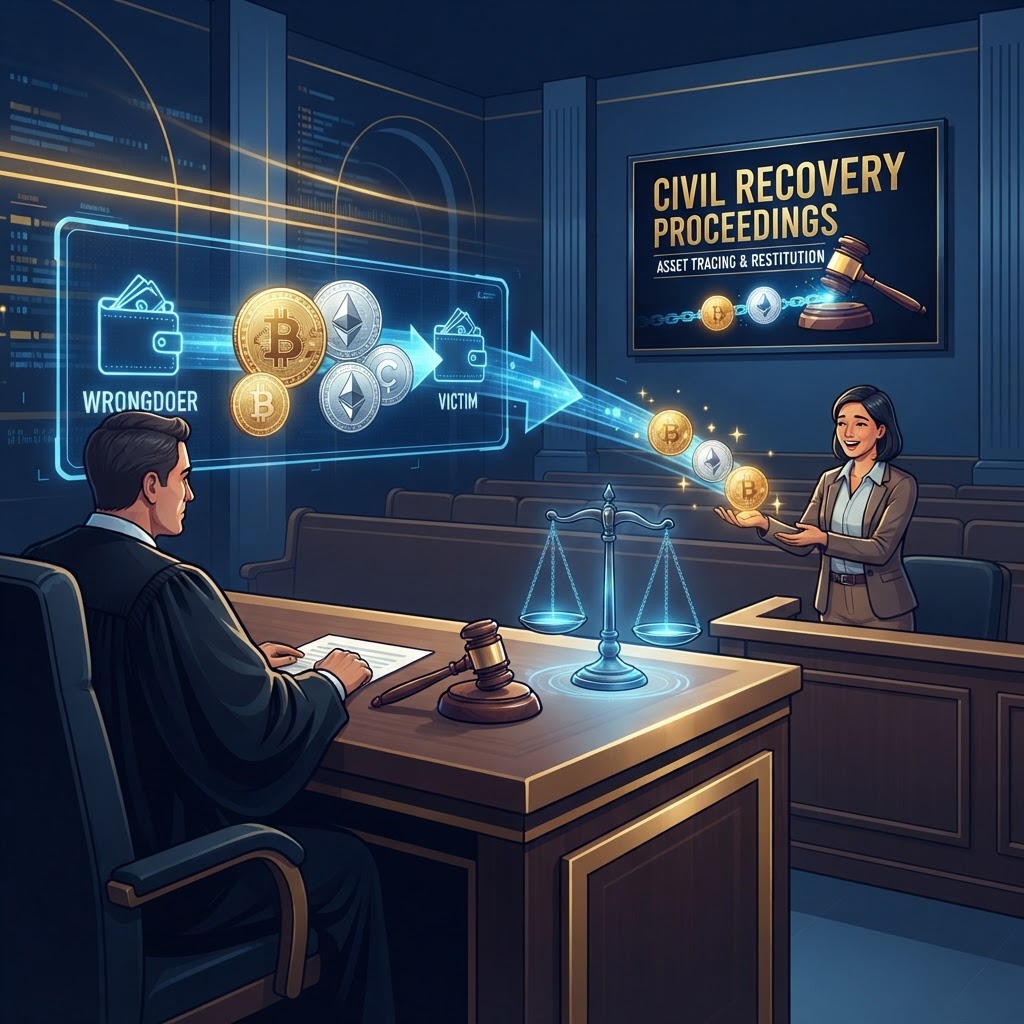
Civil Recovery of Stolen Cryptocurrency: What Victims Need to Know
Civil litigation can recover stolen crypto faster than criminal prosecution. Learn the civil remedies available, how to file, and what evidence you need to succeed.
 Recovery & Legal
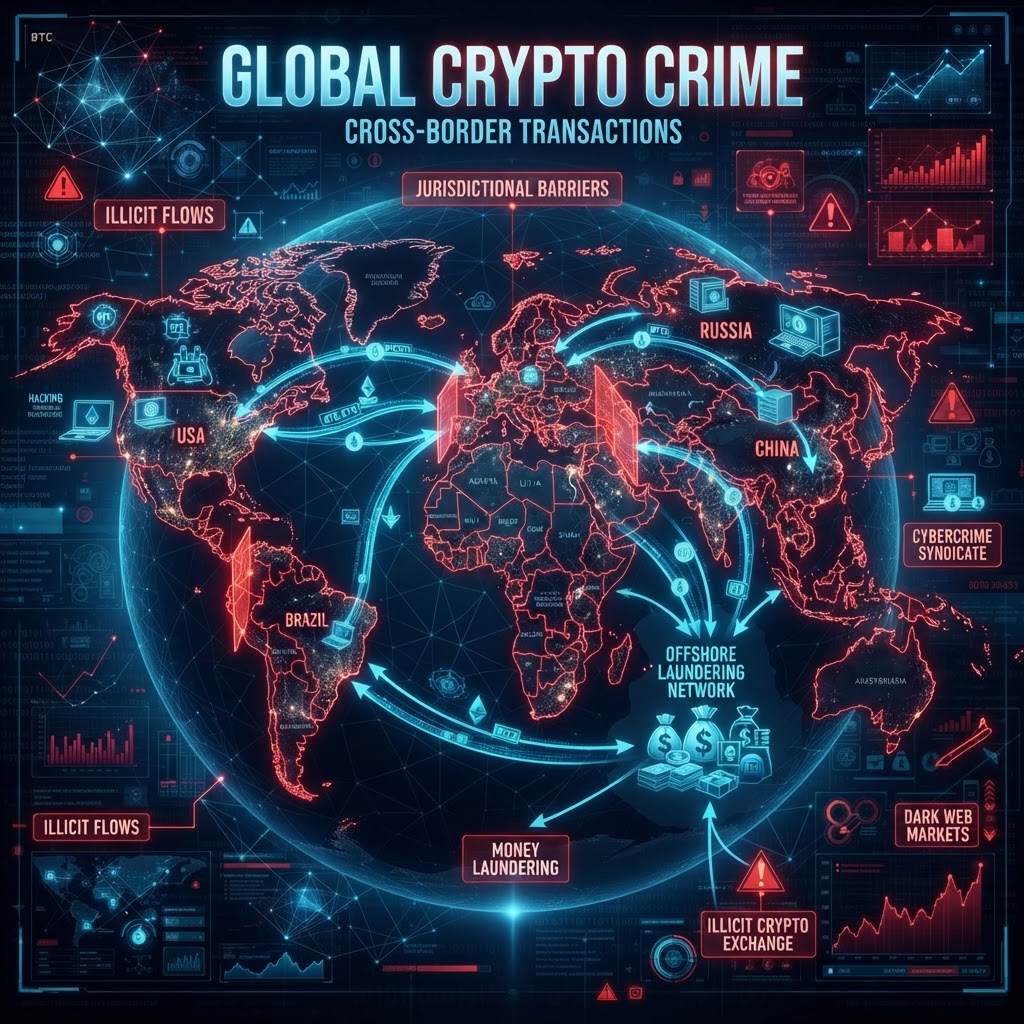
Jurisdictional Challenges in Cross-Border Crypto Crime
Crypto crime doesn't respect borders, but law enforcement must. Learn the jurisdictional challenges of cross-border crypto cases and how international cooperation works.
 Recovery & Legal
Expert Witness Testimony in Blockchain Cases: A Guide
Blockchain evidence needs an expert to explain it to the court. Learn what makes a qualified expert witness, how to prepare, and how to testify effectively in crypto cases.
 Recovery & Legal
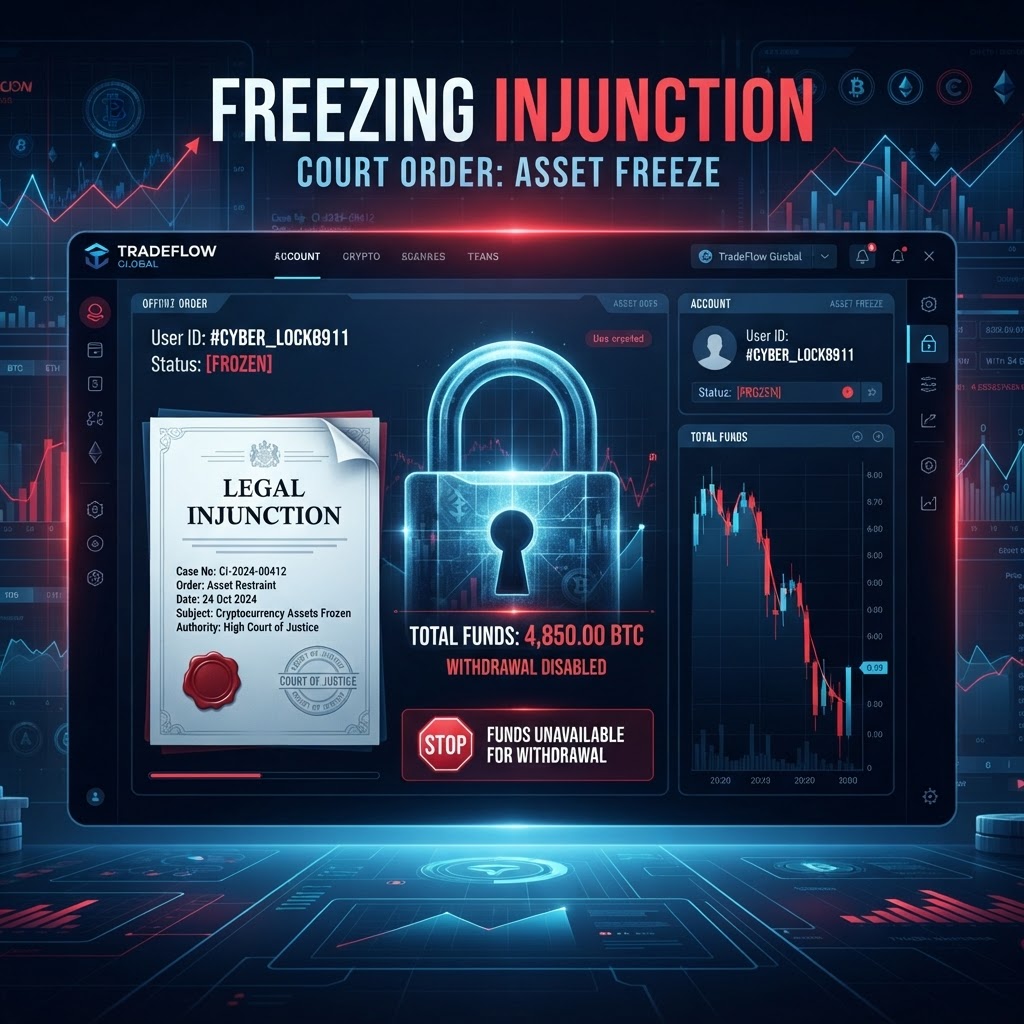
Freezing Crypto Assets: Injunctions and Exchange Cooperation
Freezing stolen crypto before it disappears is the key to recovery. Learn how freezing injunctions work, how to obtain them, and how to get exchanges to cooperate.
 Recovery & Legal
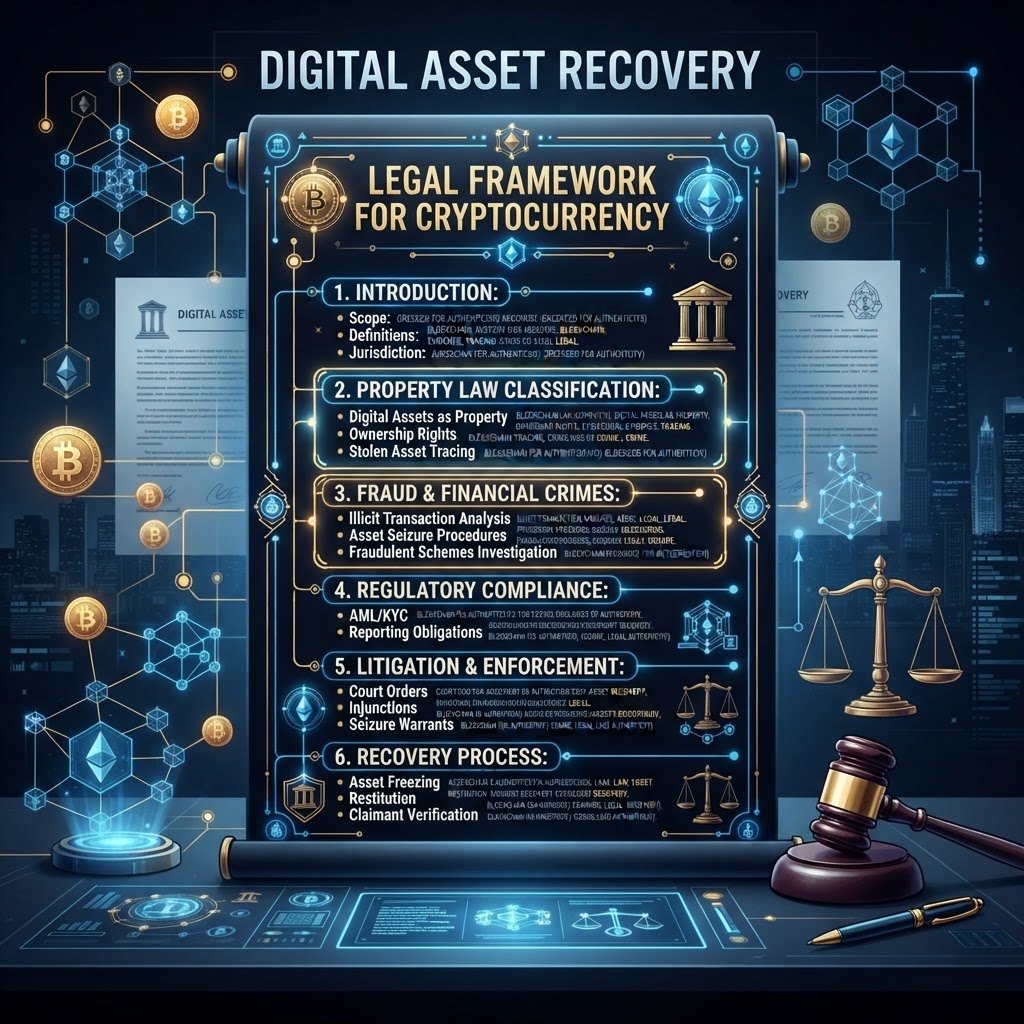
The Legal Framework for Crypto Asset Recovery
Recovering stolen crypto requires navigating a complex legal framework. Learn the laws, regulations, and legal theories that support cryptocurrency recovery in major jurisdictions.
 Threat Intelligence
Threat Actor Attribution on the Blockchain: Methods and Limits
Attributing a blockchain address to a real-world actor is the hardest part of crypto investigation. Learn the methods investigators use and the limits of on-chain attribution.
 Threat Intelligence
Emerging Threats in the Crypto Ecosystem: 2026 Outlook
The crypto threat landscape evolves constantly. Learn the emerging threats investigators and compliance teams should watch in 2026 — from AI-powered scams to new laundering techniques.
 Threat Intelligence
Darknet Market Investigations: Tracing Crypto to Illicit Markets
Darknet markets process billions in illicit crypto transactions. Learn how these markets work, how funds flow through them, and how investigators trace the crypto to and from them.
 Threat Intelligence
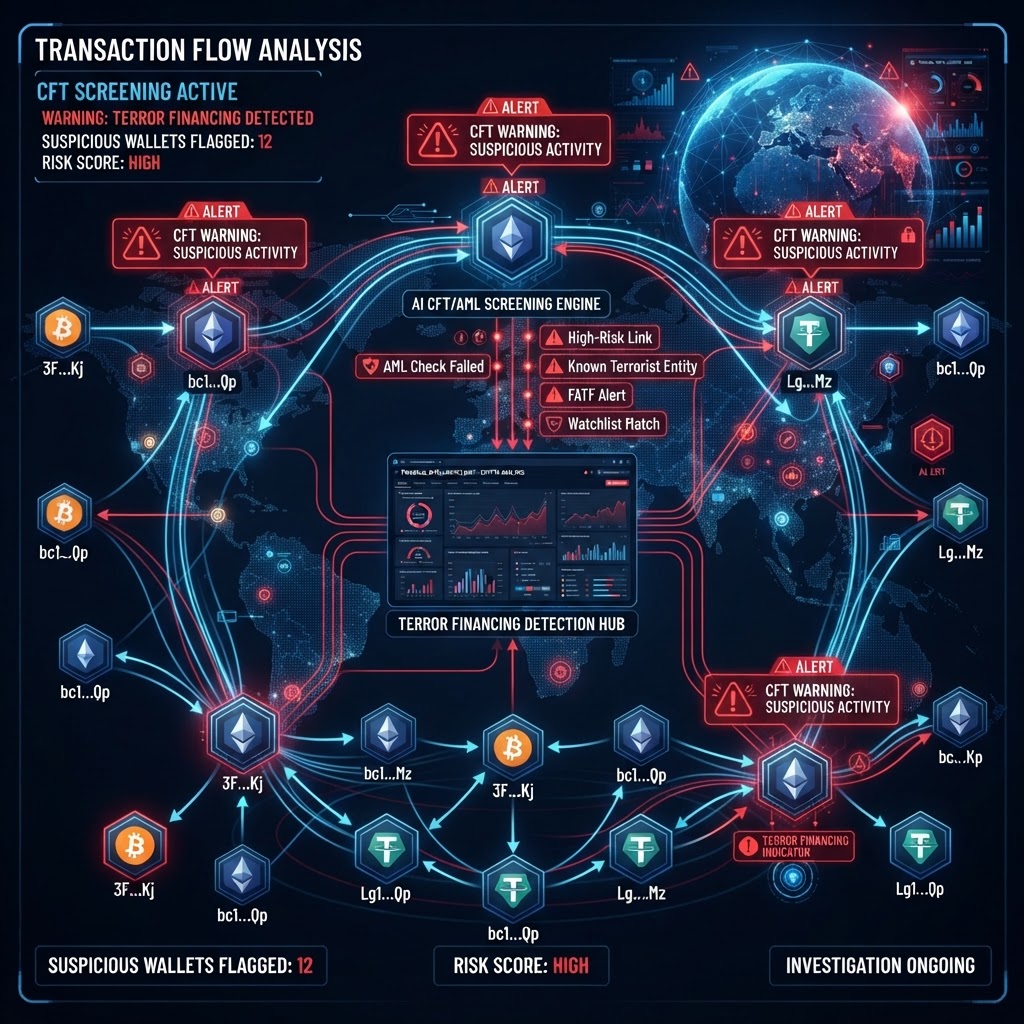
Terror Financing on the Blockchain: Detection and Prevention
Terrorist groups increasingly use cryptocurrency to move funds. Learn how terror financing works on the blockchain, how it differs from other illicit finance, and how investigators detect it.
 Threat Intelligence
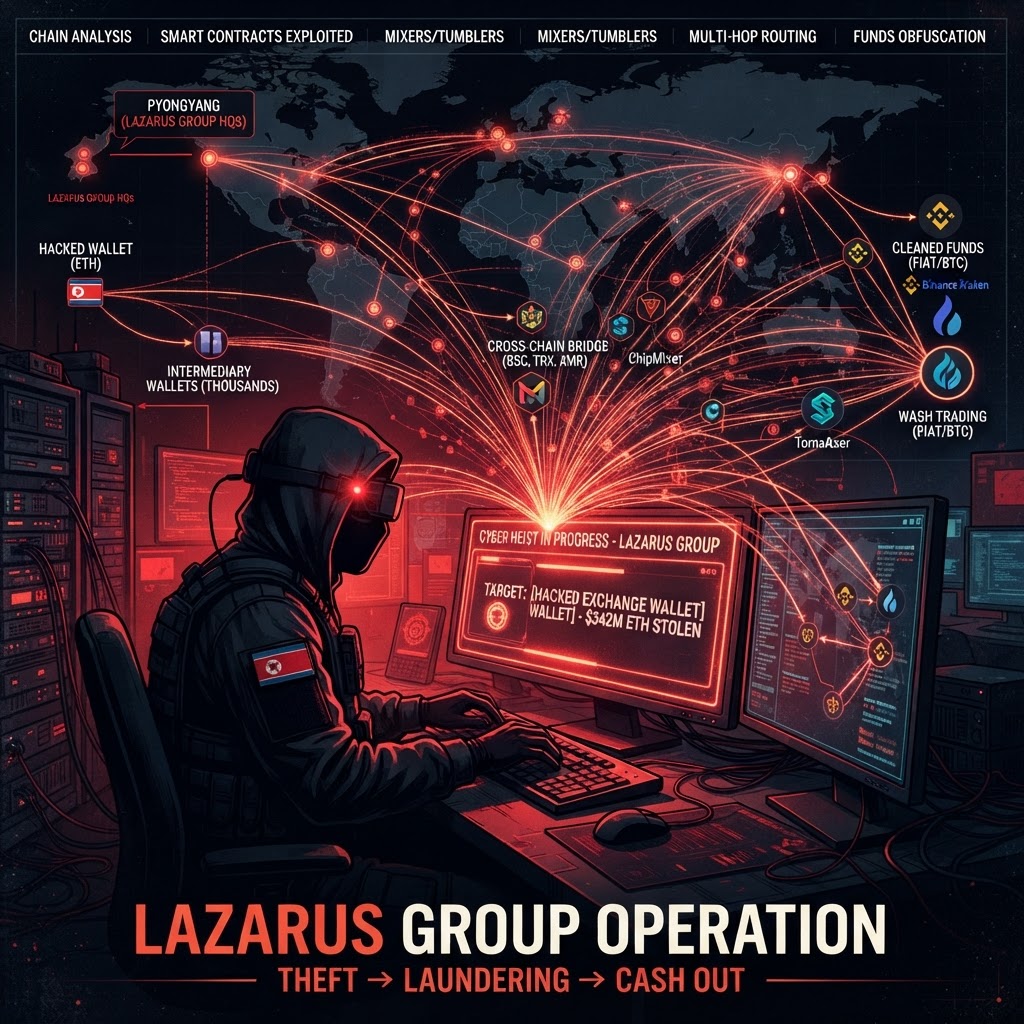
North Korean Crypto Heists: Tracing Lazarus Group Activity
North Korea's state-sponsored hackers have stolen billions in cryptocurrency. Learn how the Lazarus Group operates, how they launder stolen crypto, and how investigators track them.
 Threat Intelligence
AI-Driven Blockchain Analytics: The Future of Crypto Investigations
Artificial intelligence is transforming blockchain investigation. Learn how AI is being applied to crypto forensics, from automated tracing to behavioral analysis, and what the future holds.
 Threat Intelligence
Real-Time Risk Monitoring: Staying Ahead of Crypto Threats
In crypto, threats emerge and evolve in minutes. Learn how real-time risk monitoring works, what to monitor, and how to build a system that keeps you ahead of emerging threats.